

Home > Therapy > Yoga Therapy Introduction
Yoga Therapy Introduction
By Dr. Swami Shankardev Saraswati
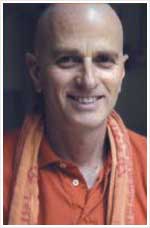 Swami Shankardev is an eminent yoga teacher, author, medical doctor and yoga therapist. After meeting his Guru, Swami Satyananda Saraswati in 1974 in India, he lived with him for 10 years and has taught yoga, meditation and tantra for 30 years. Swami Shankardev is an Acharya (authority) in the Satyananda lineage and he teaches throughout the world. Yoga and meditation techniques have been the foundation of his yoga thereapy, medical and psychotherapy practice for over 25 years. He is a compassionate, illuminating guide, dedicated to relieving the suffering of his fellow beings. (Author can be contacted on www.bigshakti.com)
Reproduced with permission from www.bigshakti.com
Yoga in itself is a science of health management rather than a method of treating disease. When yoga is combined with certain healing and therapeutic modalities, it increases the effectiveness and efficiency of those methods. Yoga can also increase health, general wellbeing and longevity. It does this by removing tensions, calming the mind, and improving vitality. Yoga generally enhances our lives on all levels.
There are clues to how yoga improves health in a number of yoga texts, including the Hatha Yoga Pradipika, Patanjali's Yoga Sutras and the Bhagavad Gita. For example, the Hatha Yoga Pradipika states in Chapter 1, Sutra 17, that ?postures (asana) give one steadiness (firmness) of body and mind, lightness (flexibility) of the limbs, and absence of disease.? The Hatha Yoga Pradipika also states that postures such as Matsyendrasana and Paschimottanasana can increase the digestive fire to such an incredible capacity that they can remove diseases.
However, the study and treatment of specific diseases, which forms the theoretical basis for yoga therapy, is derived from Vedic and Tantric traditions, in the form of Ayurveda and certain Tantric texts.
While therapeutic methods such as medicines, surgery, herbs, acupuncture, psychotherapy and body-work act on the body-mind, yoga empowers the individual to take a conscious and active role in his or her own healing. Yoga also super-charges each of these methods.
For example, when yoga is used in combination with prescription drugs in a medical situation, it is often possible to reduce the dosage so that the side-effects are minimized and the drug acts more efficiently. This is because yoga strengthens and relaxes the body, making it more able to absorb and derive benefit from the medication. When yoga is combined with psychological forms of intervention it provides a practical, experiential basis on which the patient can self-regulate themselves as they move through often painful processes of self-discovery.
It is important for a yoga therapist have thorough therapeutic training, to be able to recognize diseases and understand the 'normal' development of each disease. For example, an experienced psychologist can use yoga very effectively to treat psychological conditions because the psychologist has in-depth training in understanding the mind and emotions. Yoga adds a broader view to the psychologist's previous knowledge base and provides powerful techniques such as meditation. This allows both the psychologist and the patient to experience the mind in a more direct way, and to train the mind so that it becomes a tool for healing and positive wellbeing.
When combined with other healing methods, the process of yoga therapy is synergistic and cumulative. Yoga therapy works on the basis that relaxation leads to purification. Purification then helps to strengthen the entire body-mind. A strong, whole body-mind raises energy and naturally begins to heal specific problems. This leads to the rebalance and restoration of the entire being. Relaxation is the basis of all healing, as it allows the natural intelligence and healing power of the body-mind to do its work.
Dr. Shankardev Saraswati
