


Yoga Teacher Training
YOGA TEACHER TRAINING, INDIA, SINGAPORE, THAILAND, AUSTRALIA, HONG KONG
Yoga Vidya Gurukul was founded in 1978 by Yogacharya Dr Vishwas Mandlik as a non-profit organization. Our organization is following traditional yoga which is the authentic form of yoga focusing on life style and based on Ashtanga yoga, Hatha yoga, Karma yoga, Bhakti yoga, Jnana yoga.
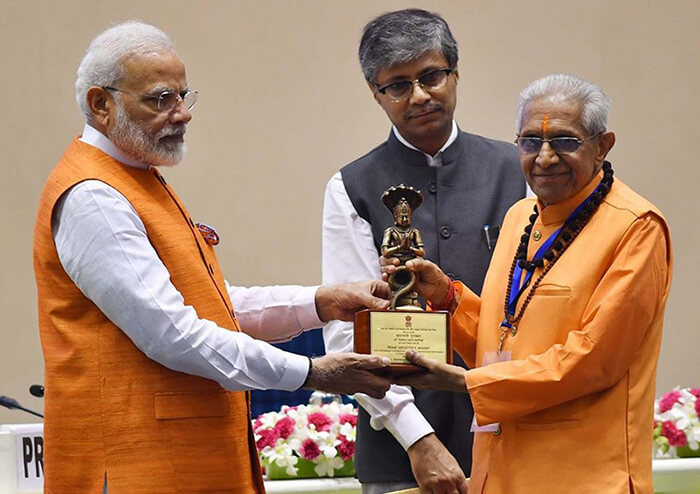
The prestigious Prime Ministers Yoga Award 2017 was given to our founder, Dr Vishwas Mandlik for his great contribution to the field of yoga in india and all over the world. He is the first recipient of this award in India.
We have been conducting Yoga teacher training programs since 1983. We have more than 18000 yoga teachers in India, 4500 yoga teachers in foreign countries and more than 300,000 yoga students all over the world.
This program is recognized by
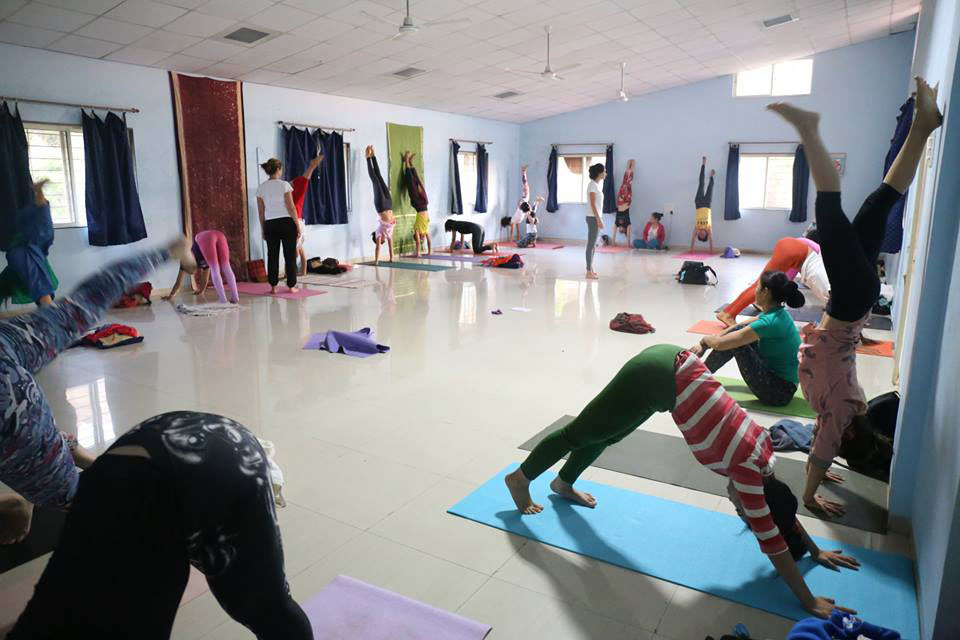
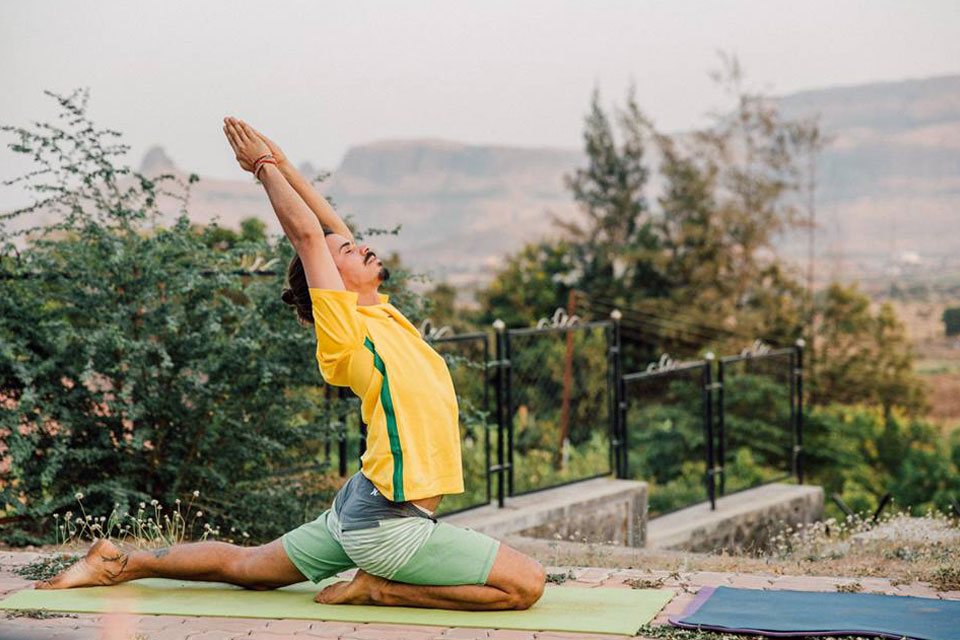
This teacher training program is holistic in approach which covers all aspects of yoga lifestyle. Based on ancient teachings, ashram experience is life transforming which brings positivity to the everyone. This program is suitable for beginners, or intermediate yoga practitioners or even advance practitioners who want to learn teaching methods and understand deeper scientific aspects of yoga practices such as asanas, pranayama, meditation, life style.
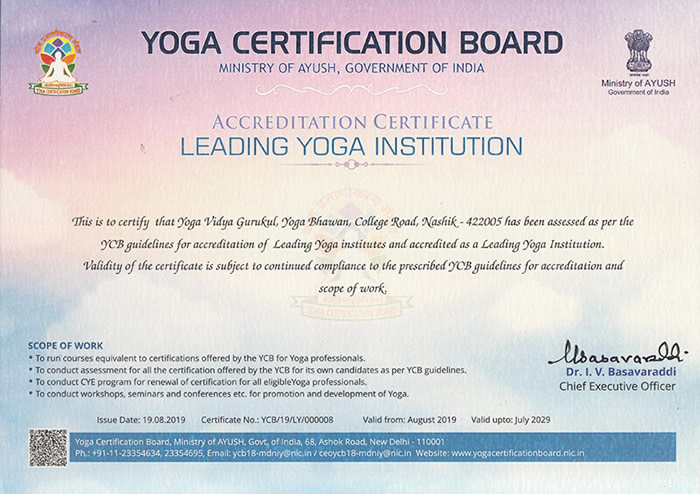
Yoga Vidya Gurukul has been recognized by AYUSH (Yoga and Ayurveda) ministry, Government of India as the Leading Yoga Institution in India.
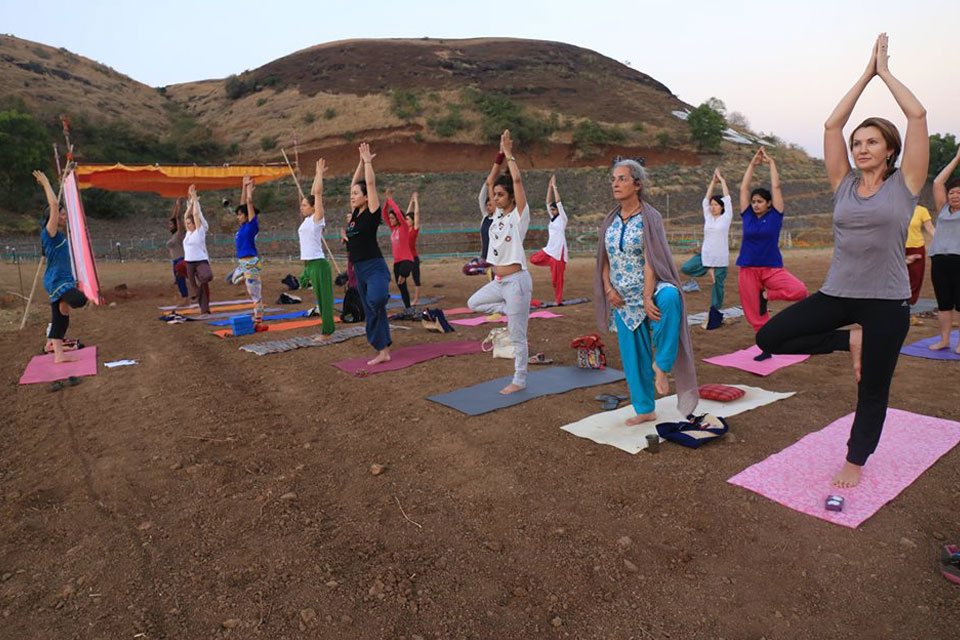
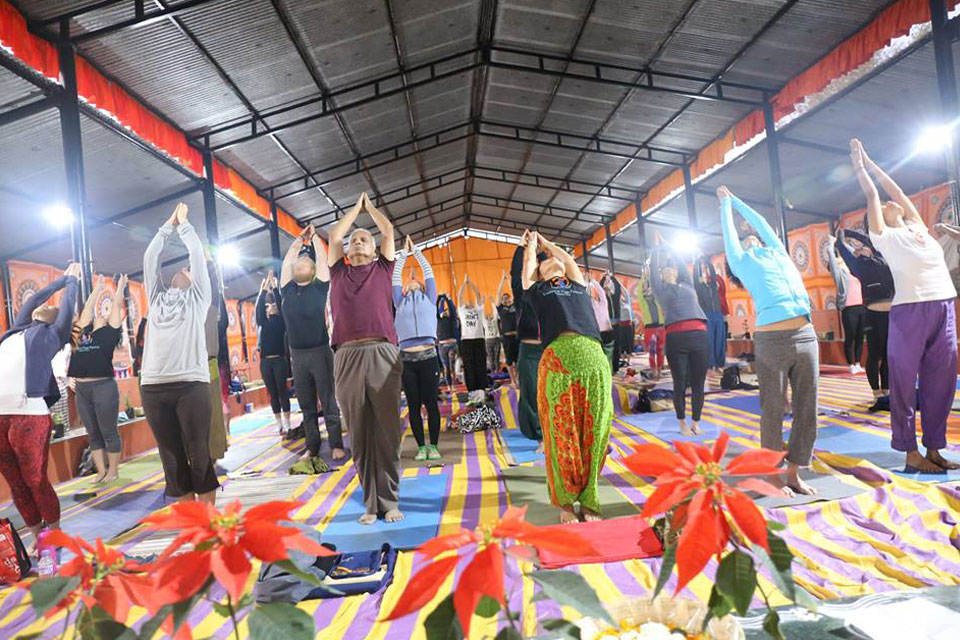 />
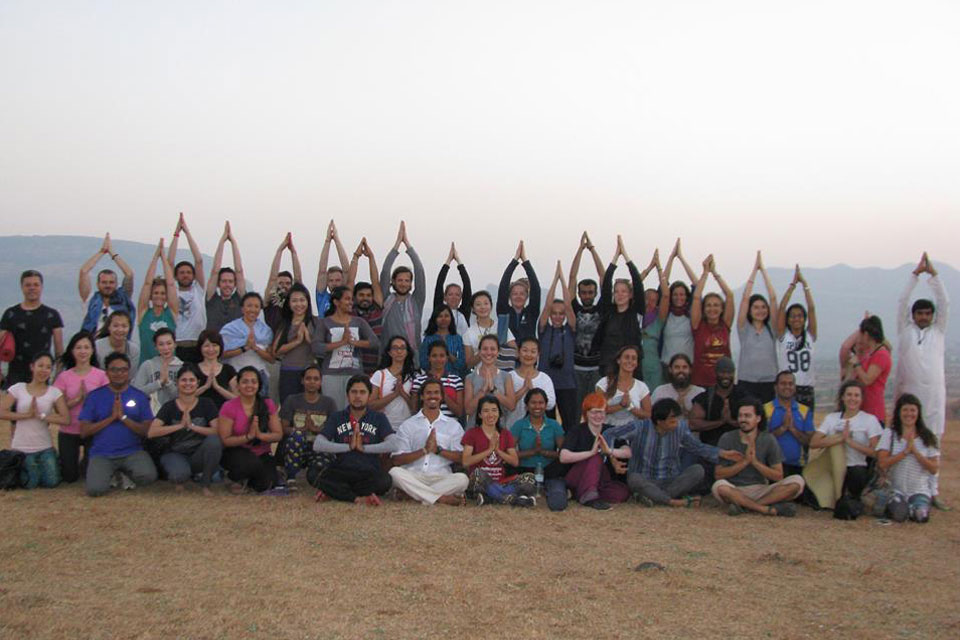
/>
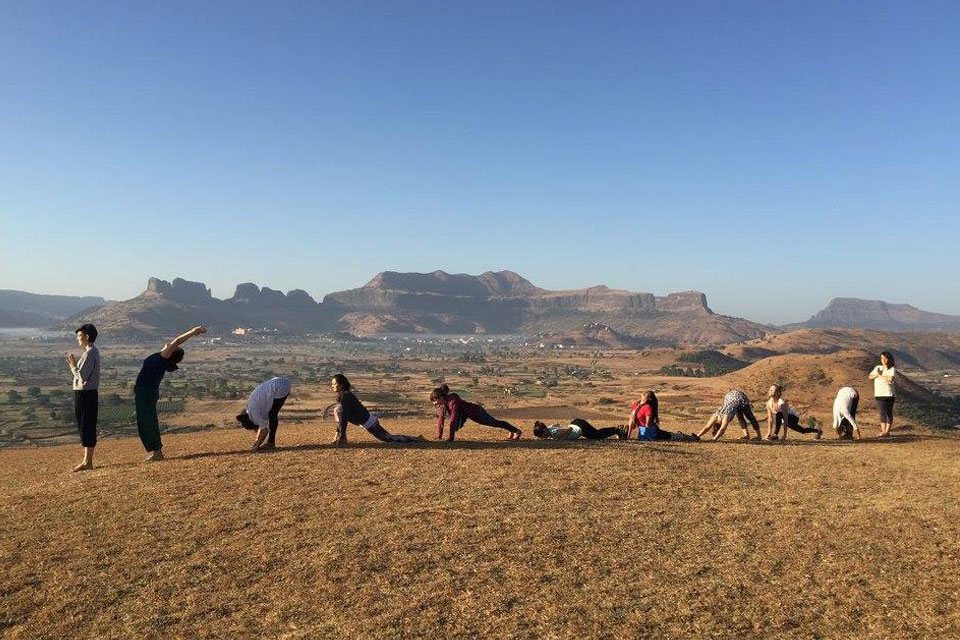
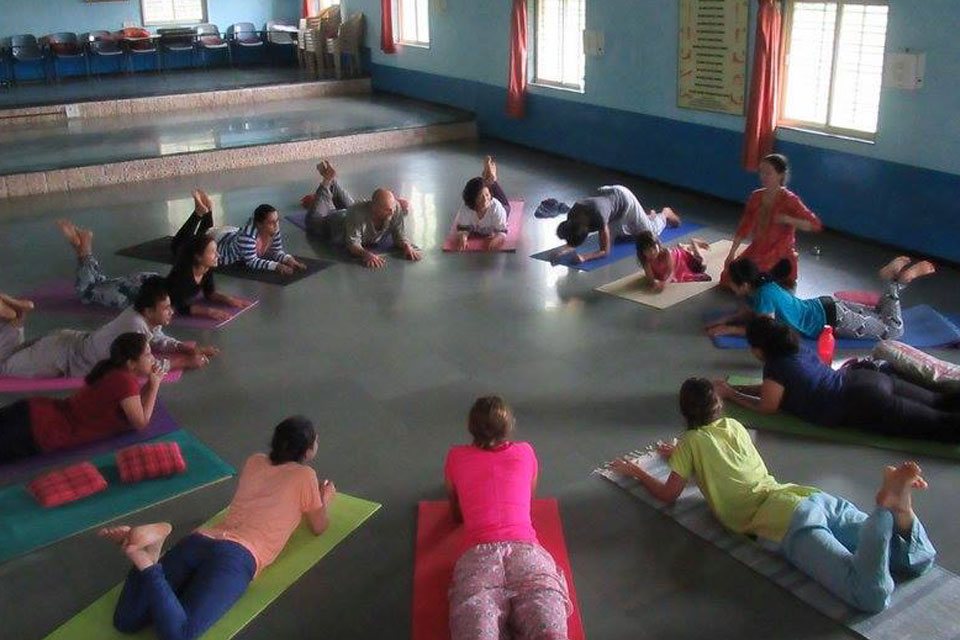
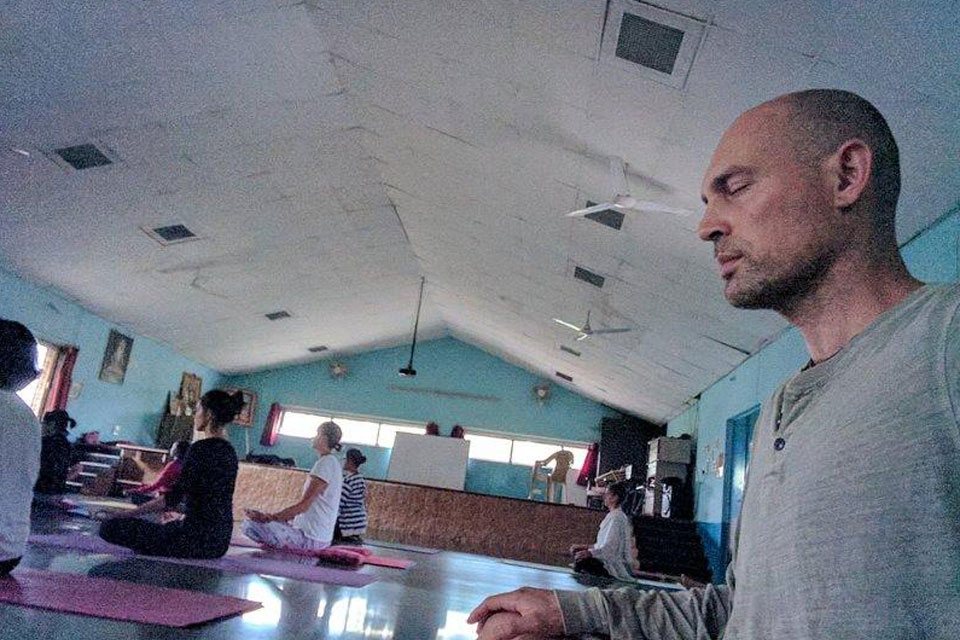
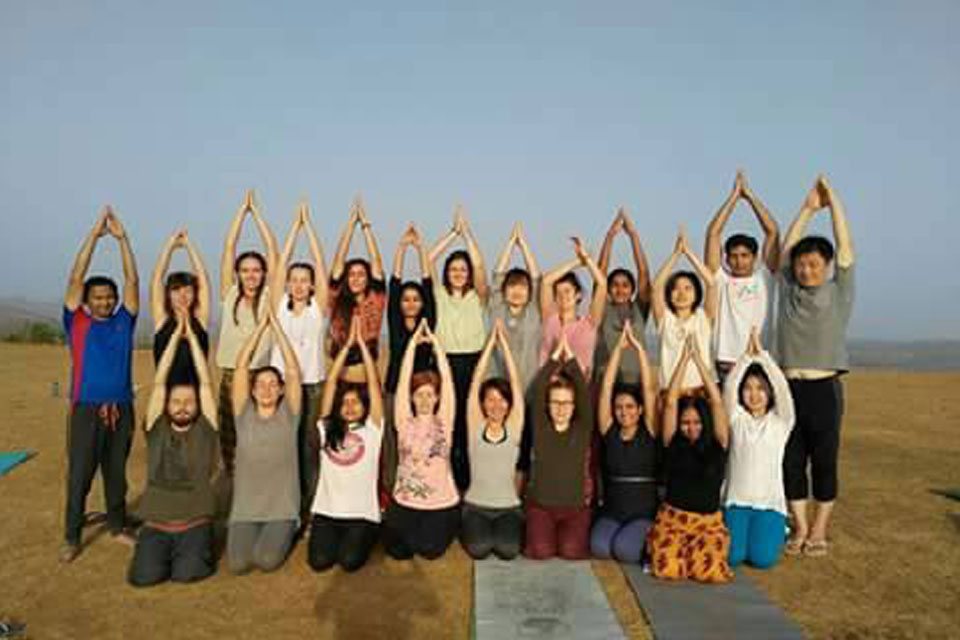
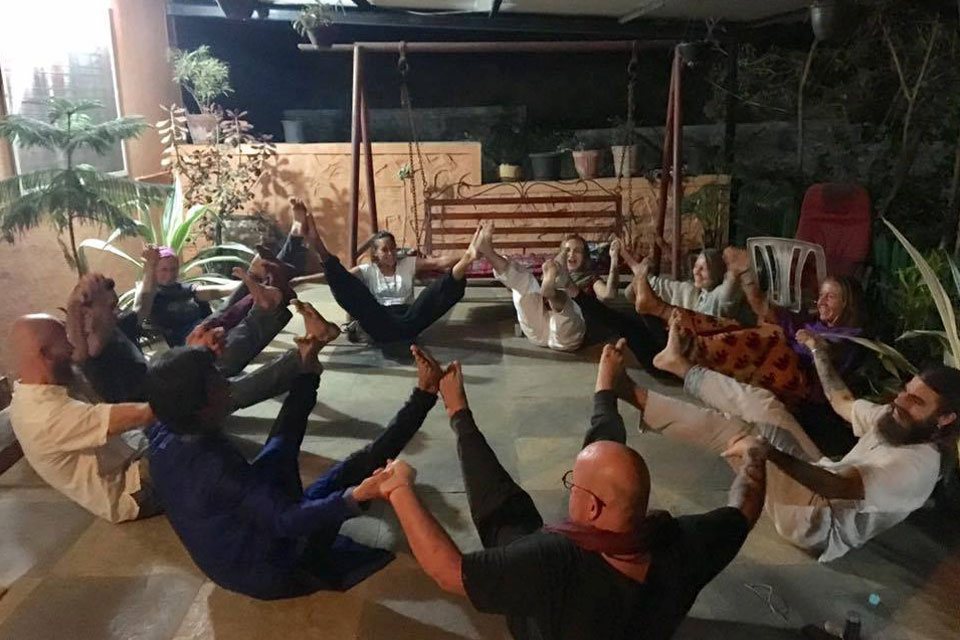
 />
/>Yoga Teacher Training, Certification Program For Beginners
Duration - 250 - Hour
(Yoga, Pranayama, Meditation Training / Teaching Techniques / Philosophy / applications of Yoga / Yoga Therapy)
Program - 28 days or 4 weeks
(Government of India Certification)
Optional 4 weeks online program
Examination: Practical Asana Assessment 300 marks, 4 written assignments each 50 marks, final lesson exam 200 marks (Yoga Teaching examination)
| 05:00 am | WAKEUP TIME |
| 05.45 am to 06.00 am | Mantra Chanting |
| 06:00 am - 08:00 am | Yoga Practice (Asana & Pranayama) |
| 08:00 am to 09:00 am | Karma Yoga (Selfless Service) |
| 09:00 am to 09:30 am | Breakfast / Snacks |
| 10:00 am to 10:45 am | Yoga Nidra / Theory lecture I |
| 11:15 am to 12:00 pm | Theory lecture II |
| 12:15 am to 01:00 pm | LUNCH |
| 01:00 pm to 03:00 pm | Resting Time (Self Study) |
| 03:00 pm to 03:15 pm | Herbal Drink |
| 03:15 pm to 04:00 pm | Theory Lecture III |
| 04:15 pm to 06:00 pm | Yoga Practice (Asana & Pranayama) |
| 06:45 pm to 07:15 pm | Mantra chanting / meditation |
| 07.30 pm to 08:00 pm | DINNER |
| 08:15 pm to 09:00 pm | Sanskrit training / Meditation / Yoga Songs (Bhajans) / Group Discussions / Question Answer sessions / Satsangs. |
| 10.00 pm | Bed Time |
| COURSE | DATE | Venue |
Nasik city is 170 KM from Mumbai (formerly Bombay)
Nasik is about 1800 Ft or 580 metres above sea level.
Regular Trains, Bus service and Taxi services are available to reach Nasik. We can also provide an airport pickup service directly to our ashram. Click for more details.
For information about the Teacher training course, you may contact our affiliated centres and ask about the feedback and other enquiries. Click here to contact.
We teach INDIAN TRADITIONAL YOGA. Our School is joined to the great tradition of Swami Satyananda Saraswati of Bihar School of Yoga. Paramhansa Swami Niranjananda Saraswati initiated Rishi Dharma Jyoti (Yogacharya Vishwas Mandlik) into Rishi Sannayasa and joined Yoga Vidya Dham on 7th March 2006 to the spiritual tradition of Sage Adi Shankaracharya, Swami Sivananda and Swami Satyananda
(Please note that Certification and Training is given by Yoga Vidya Gurukul, it is not a part of Bihar Yoga / Bihar Yoga Bharati.)
Before applying please read the following articles on Asana and the style of yoga we teach. We teach as per the traditional Indian Style of Yoga, according to the classical books of Hatha Yoga Pradipika and Ashtanga Yoga based on Patanjali Yoga Sutras.
This course is for beginners who want to learn and teach in a way which is as per the Hatha & Ashtanga yoga traditions. This course covers Yoga from basic to advanced techniques from the classical texts of Hatha Yoga and Ashtanga Yoga. (Hatha Pradipika & Patanjal Yoga Sutras.) Yoga philosophy, education, yoga therapy are subject of study, research dedication. Yoga Vidya Gurukul has been operational since the last 40 years in various parts of India and abroad. We run 2 Yoga therapy hospitals and 12 yoga therapy out patient clinics. The experience gathered during these years helps students.
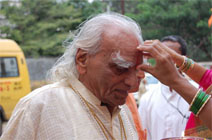
On 21st September 2008, BKS Iyengar visited Yoga Vidya Gurukul ashram in Trimbak, and addressed the Yoga teachers and students attending Yoga teacher training course and talked on his own experiences and various Yoga Sutras of Patanjali, he enlightened the students with his great guidance on the Yogic path..
Click for Photos of BKS Iyengar in Yoga Vidya Gurukul & www.yogapoint.com
BKS Iyenger Visit to Yoga Point -
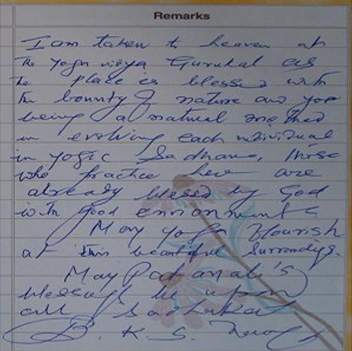
"I am taken to heaven at Yoga Vidya Gurukul as the place is blessed with the bounty of nature and yoga being a natural method in evolving each individual in yogic sadhana, those who practice here are already blessed by God with good environment. May yoga flourish in these beautiful surroundings. May Patanjalis blessings be upon all Sadhakas.
- BKS Iyengar
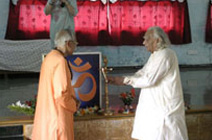
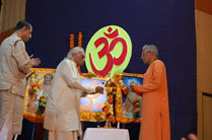
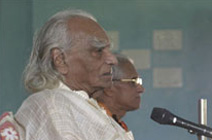
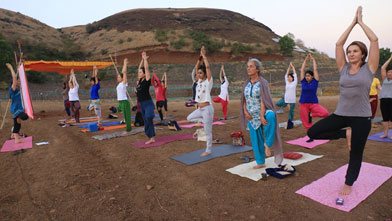
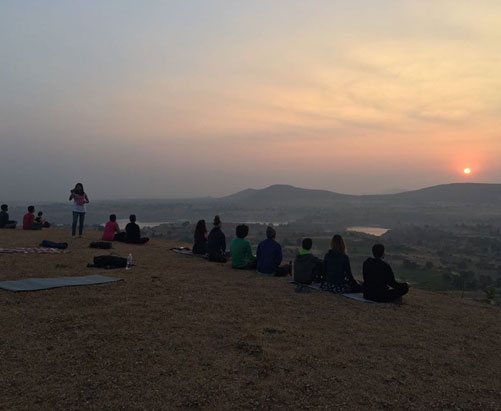
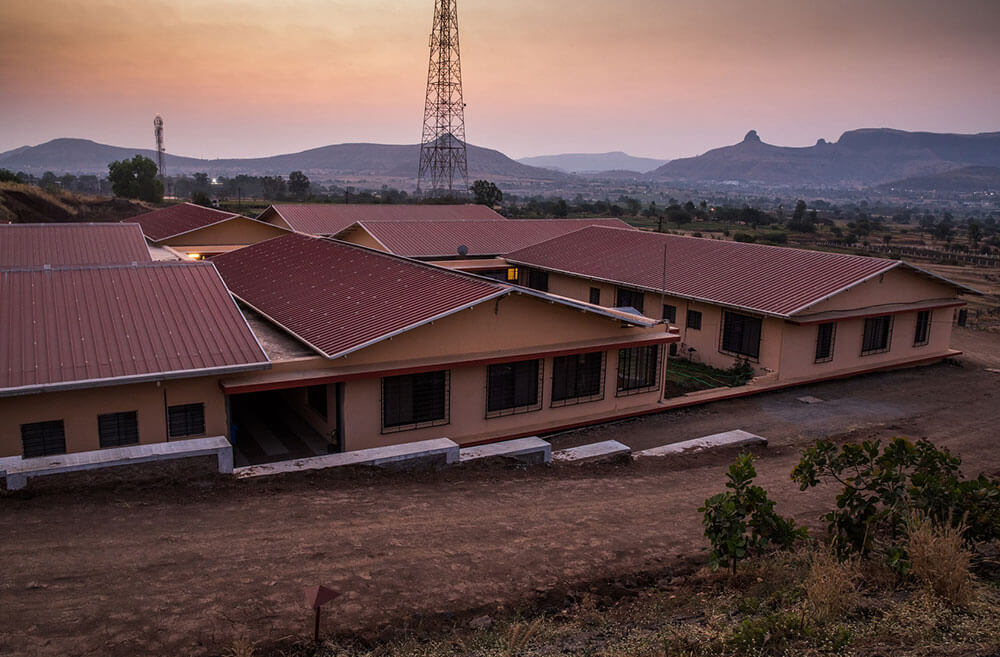
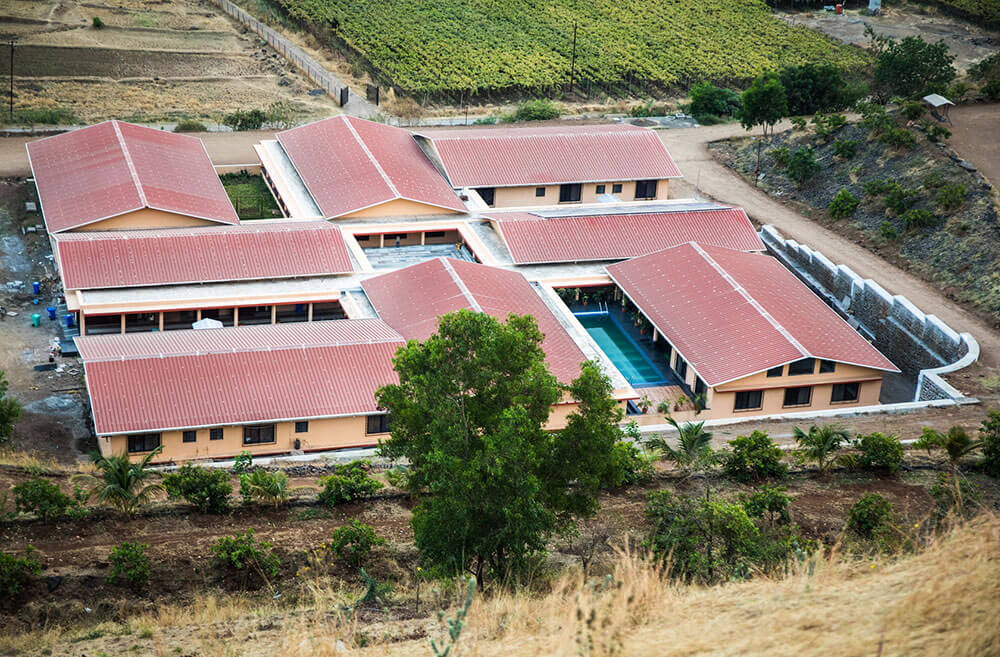
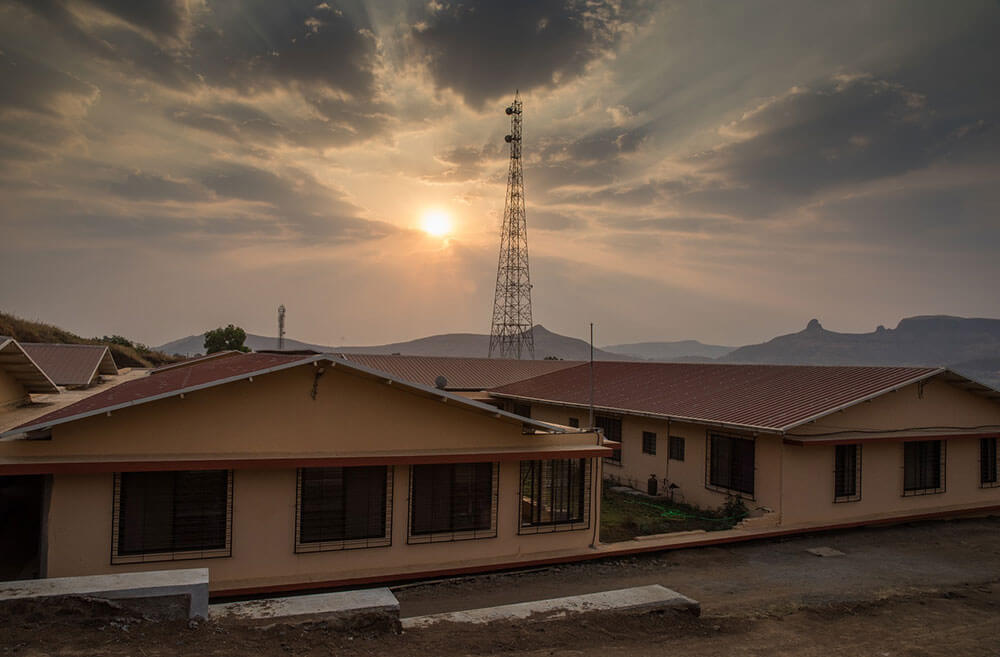
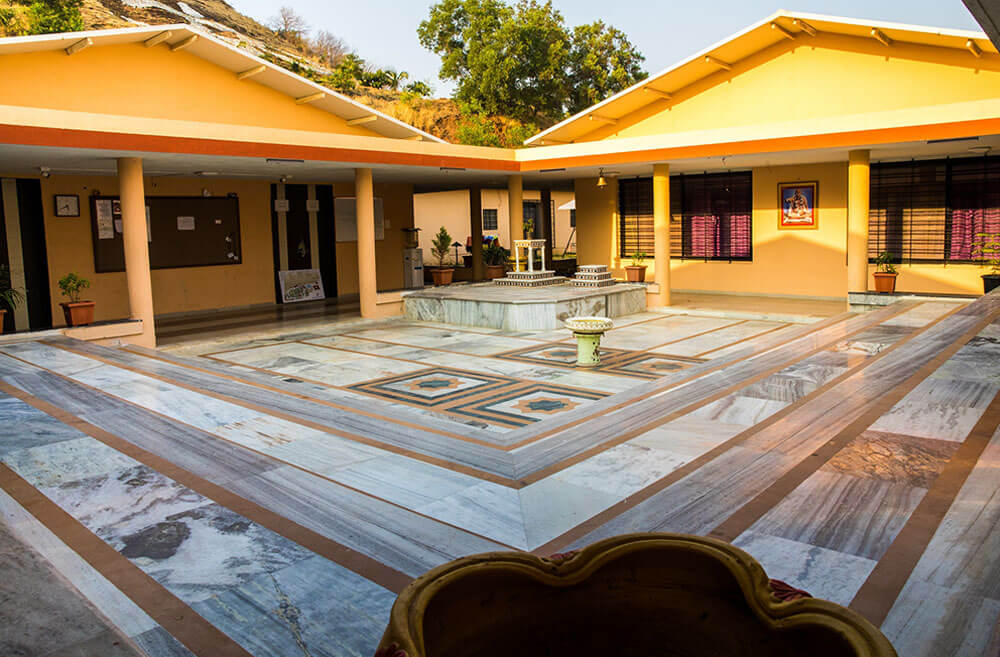
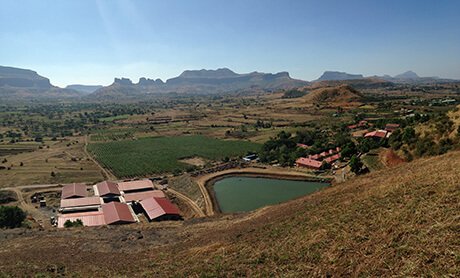
Venue of Course - Vishwa Yoga Darshan is the perfect place for you to practice yoga and live healthy life style. It is situated in the mountain range of Sahyadri. The ashram is surrounded by fascinating landscapes and natural beauty. It is an ideal location away from the city and stressful modern life.
The new ashram has become popular as it offers a stress free Yoga lifestyle in a natural environment. The ashram is in the vicinity of Lord Trimbakeshwara, one of the 12 most important and auspicious Shiva Temples in India. Lord Shiva is the origin of Yoga Tradition and this makes the location of the ashram more significant. Millions of devotees visit the Shiva temple annually. The surrounding mountains are considered heaven for Yogis, allowing them to perform Yoga & Mediation practices.


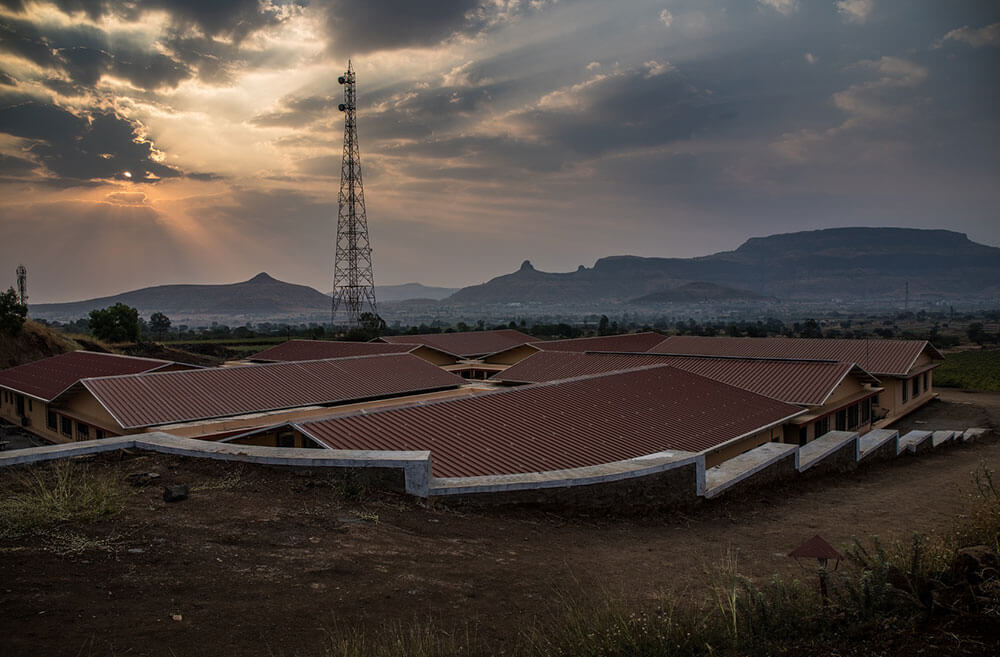

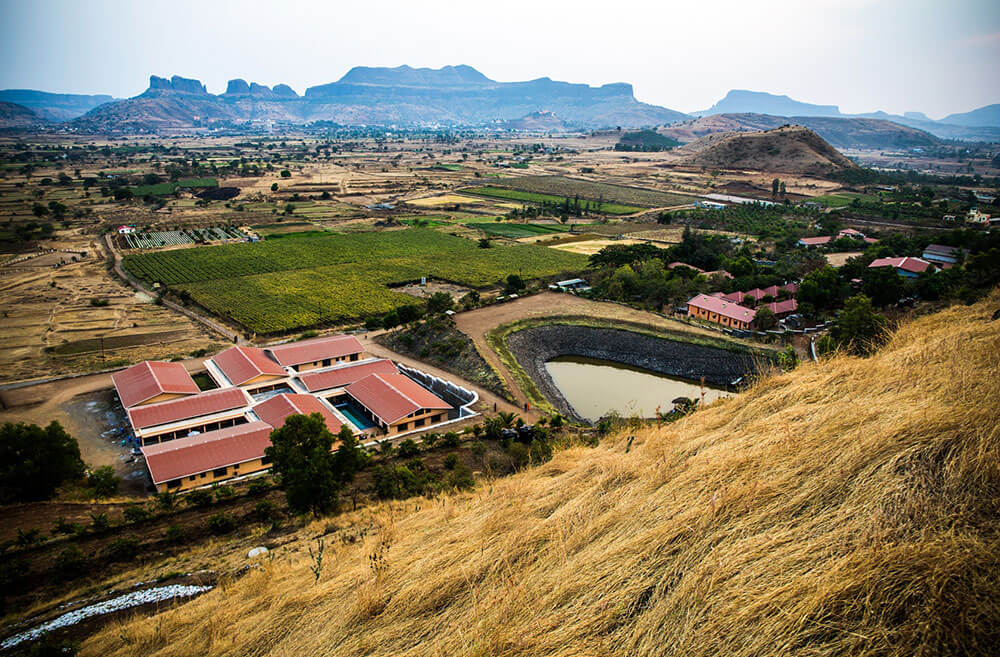

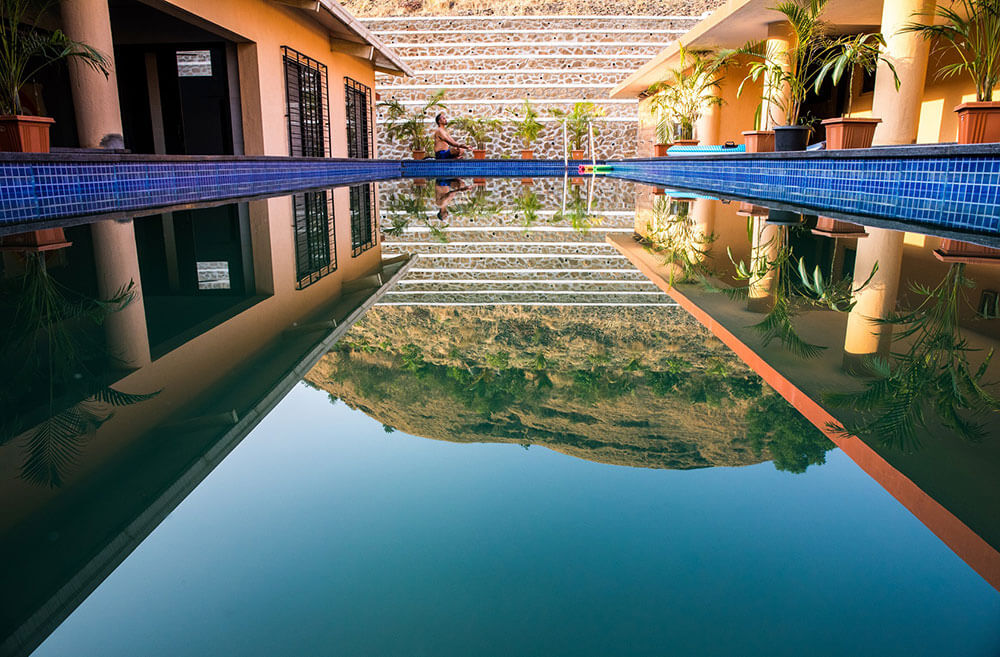
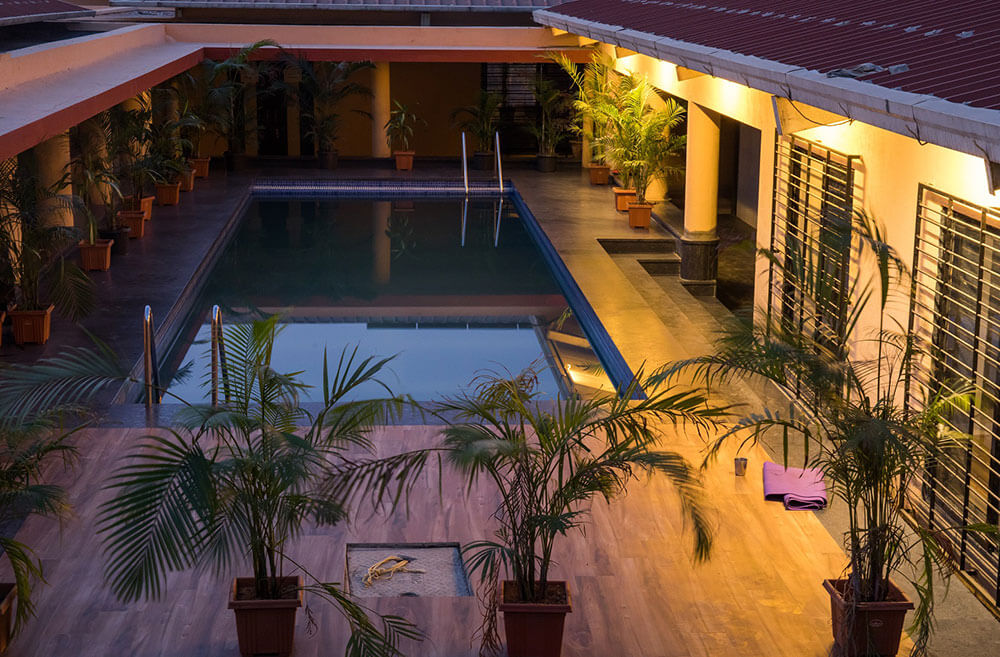
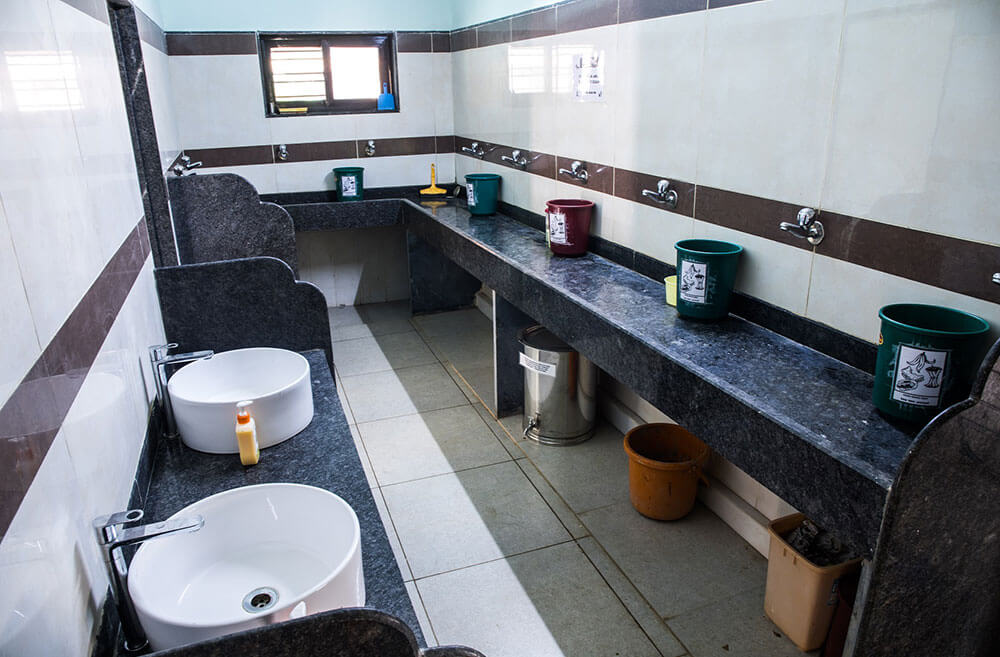
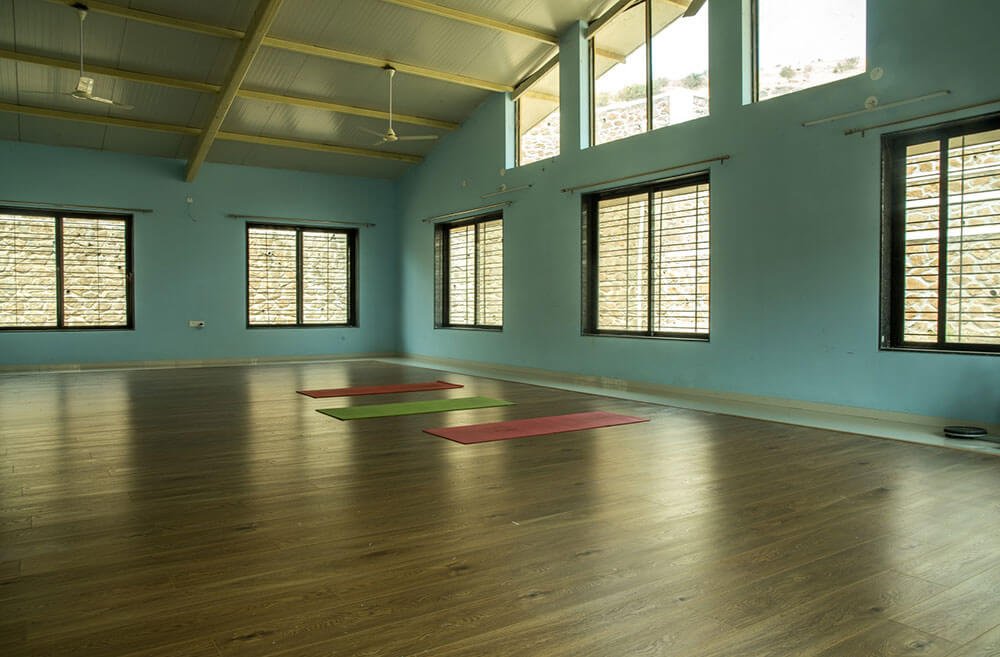
(Photos taken at Yoga Vidya Gurukul, Vishwa Yoga Darshan, Trimbak, Nasik, Maharashtra, India)
Yoga & Meditation facilities, medical facilities including emergency services are also provided. Herbal treatment to various problems is also provided to the students.
The ashram provides lodging facilities to students. A student is provided with an independent section in a room. Every room has 2/ 3 /4 beds. A bed, mattress, blankets, sheets, pillow and mosquito nets are also provided, the room is self contained with an attached toilet block.
Hot water is available for 24 hours in every bathroom.
A clean drinking water from Ashram water reservoir is available which is filtered in the ashram with out use of chemicals.
An independent wardrobe with a locker with key is provided to every student.
A laundry service is available in the ashram free of cost. (It includes washing machines & hot air dryers.)
Swimming pool is available for use. (No extra cost is involved.)
Ayurveda spa which provides treatments such as massage, shirodhara, pancha karma, detox treatments is available at extra cost.
Ashram is 25 acres of land on the hill, so many walking pathways are there for nature walk.
An organic garden provides many vegetables and fruits for participants.
Ashram hill is a beautiful place to take a walk
Clean and simple arrangements are provided.
Note - Staying arrangements for Ladies and Gents are different.
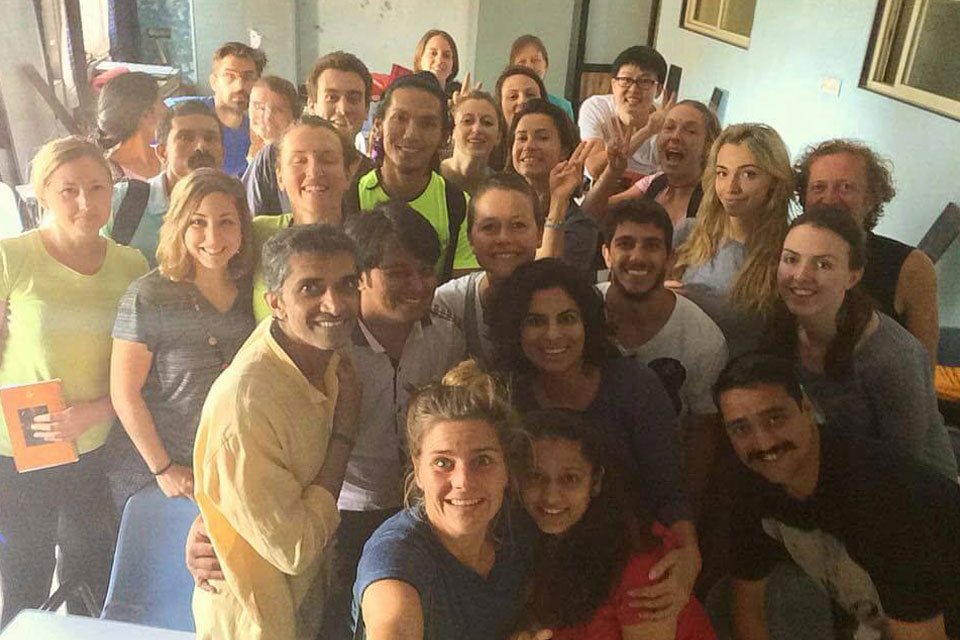
Number of Students Per Batch Are About 25
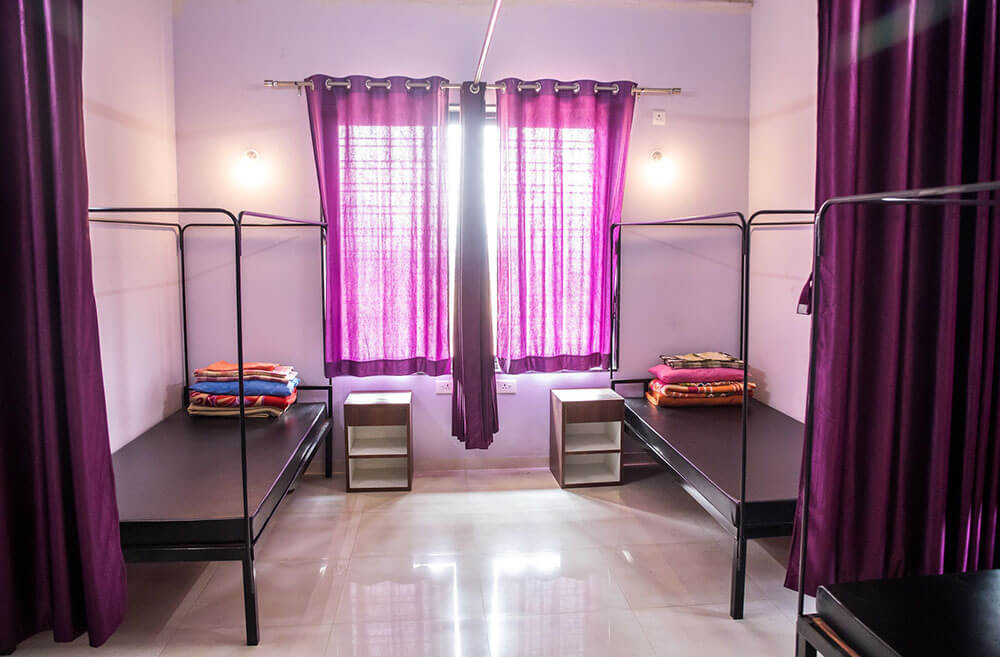
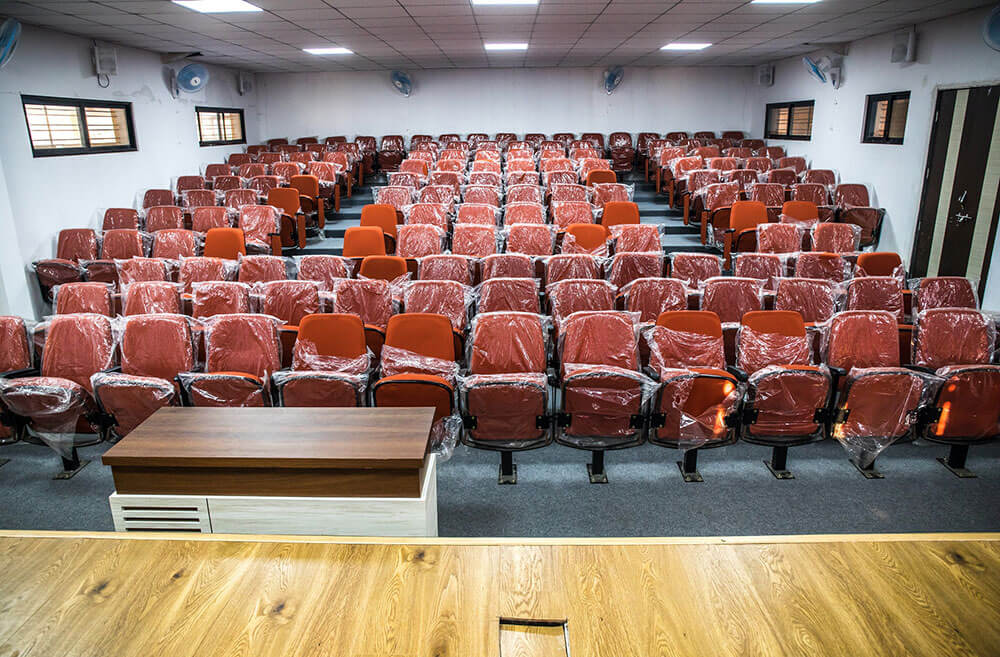
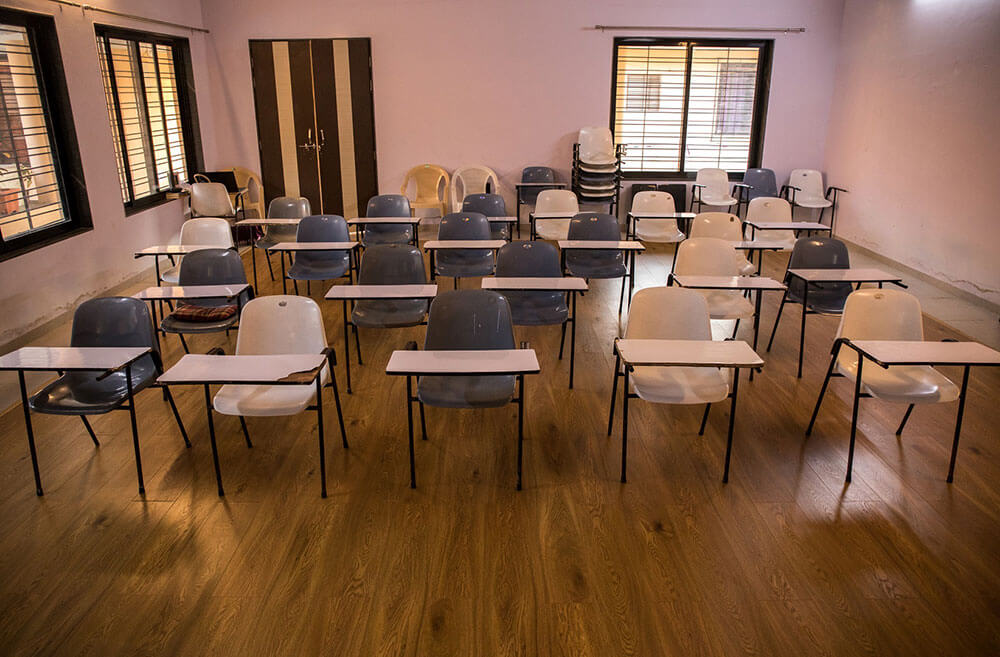
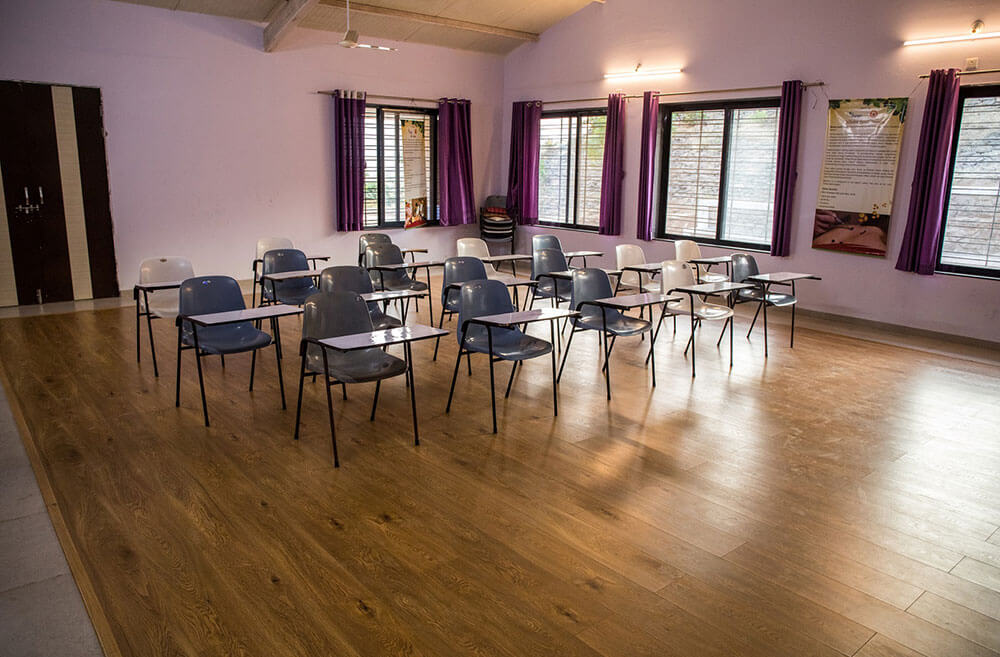
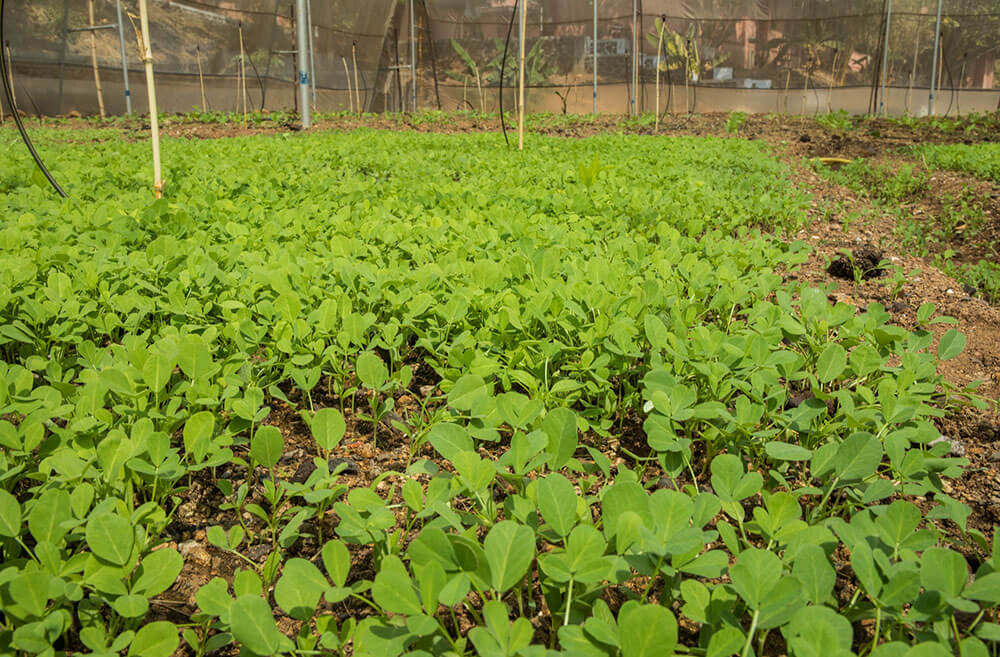
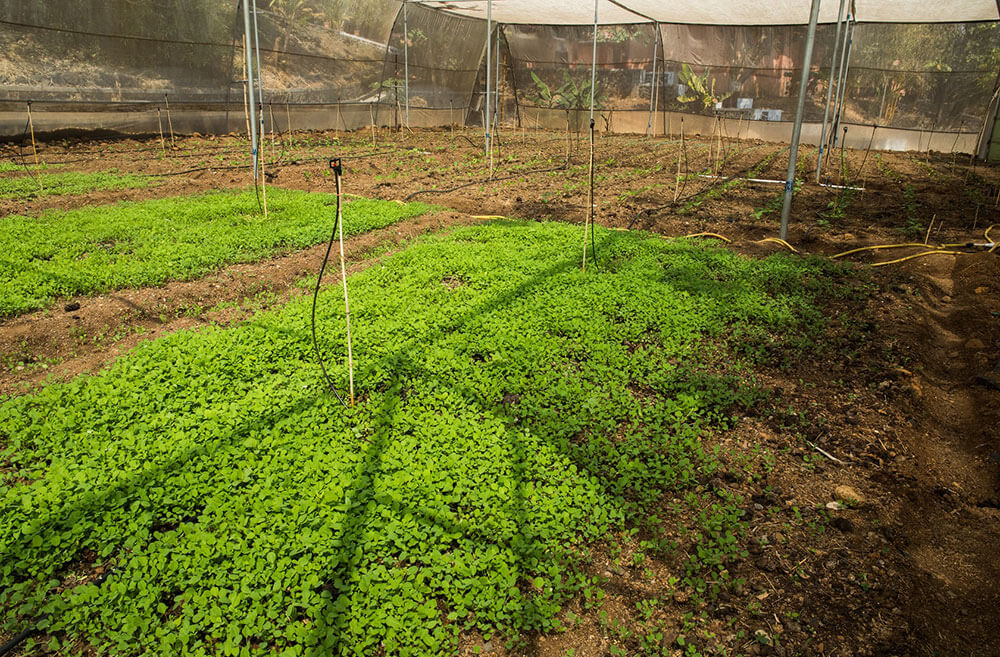
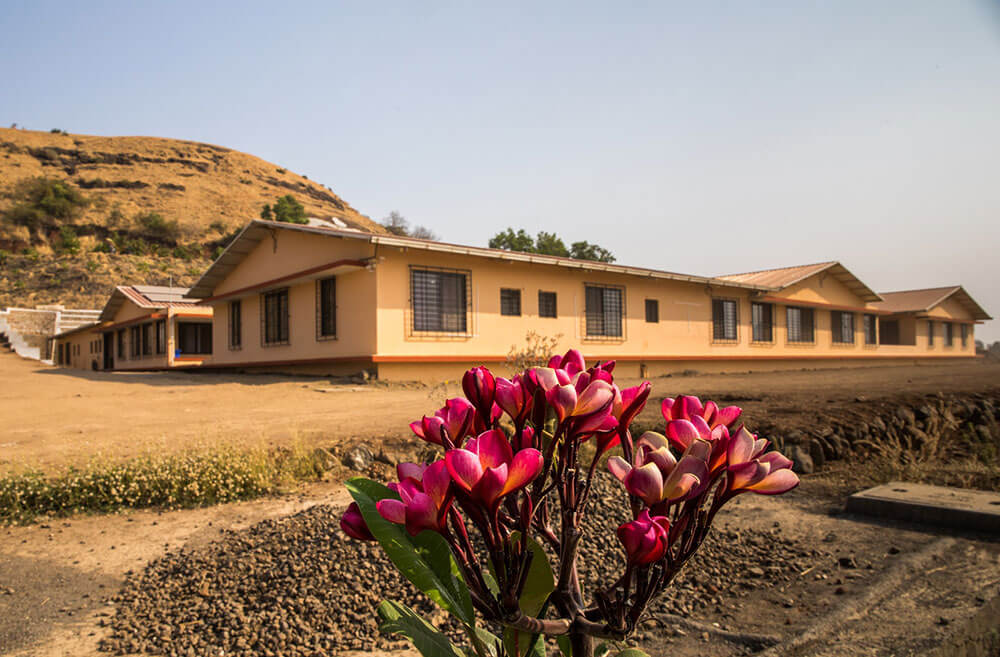

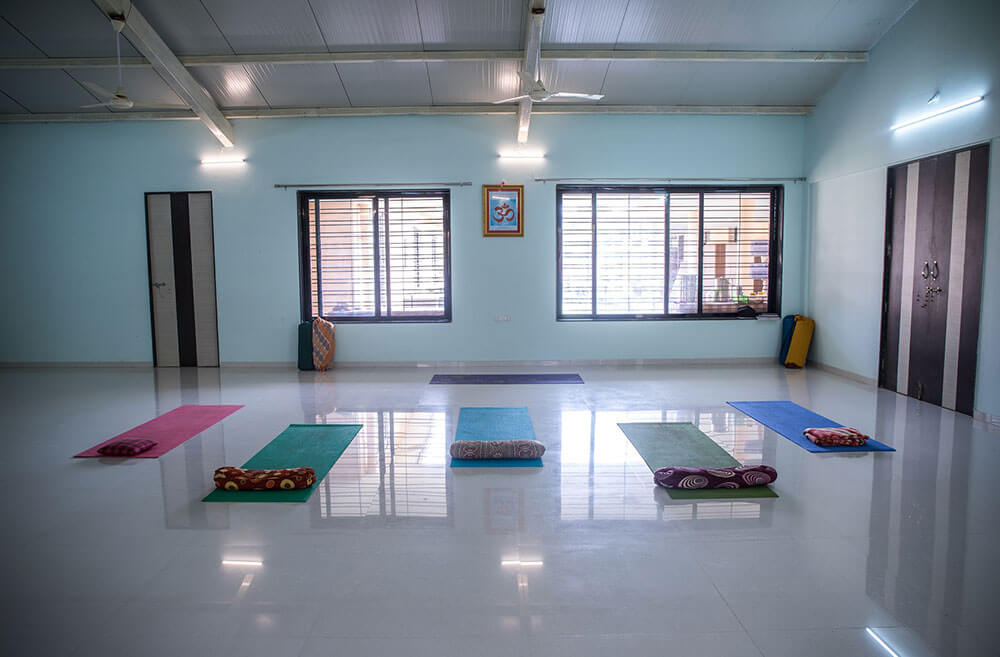
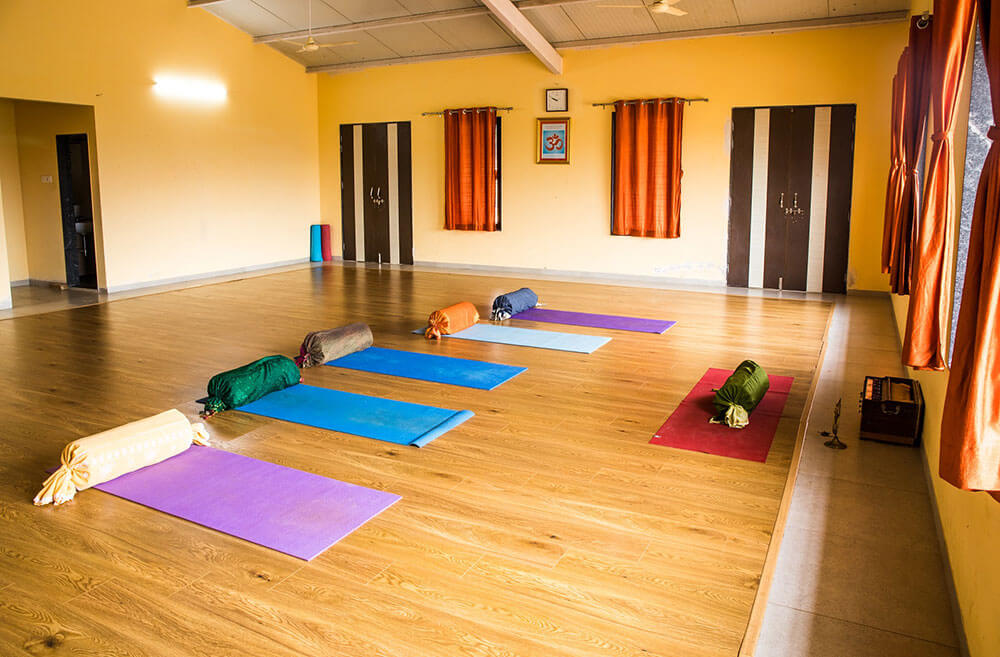
Water - We provide mineral / purified water to all our students for drinking purposes.
Note - Complete silence is maintained in the dining room during the meals.
A good collection of books in the library is a valuable resource to aspiring Yoga students. It includes various books on Yoga, Meditation, Tantra, Vedas, Upanishadas, Indian philosophies, Ayurveda, naturopathy etc.
Personal guidance for medical problems using Yoga Techniques, Herbals and Ayurveda techniques is available for all the students.
The store provides the following services at cost
Note - We do not have Internet facility in the ashram. Internet is available in Nasik city, on the weekly off when students can go to town. Internet is available on cell phones and other wireless internet devices as there is reception of all cell / mobile phone companies.
Please refer to the FAQ page if you have any further questions.
Clothing - Loose & comfortable clothes for summer & warm ones for winter. Note - You are kindly requested to wear T-shirts / shirts covering the shoulders and long pants below the knees.
Receipt of Online registration fee (If you have paid it via Internet payment gateway)
Photos - 4 passport size photos & 4 photocopies of your passport and Indian visa.
Valuables - You can bring valuables at YOUR OWN RISK. A laptop may be useful but we are not responsible for any loss or damages. Lockers are supplied where you can keep your valuables safely. The Ashram has its own secutiry service.
Yoga Mats - Please bring your own mats. You can buy mats in the shop. Also Ashram can provide mats at No extra cost.
Miscellaneous - Your own medicines & personal toileteries.
Please note that you are entering an Yoga Ashram, which is a new experience. The rules should be followed so as to get the maximum benefit of this environment and make your experience more enjoyable.
Yoga is a discipline of body, mind and spirit. Keeping in view, the rules and regulations are made to enhance the quality of the mind. They are a part of the Yogic lifestyle.
Course Coordinator reserves the right to enforce any other necessary rules as well as the above rules.
Seva is serving others and helping others with compassion. Serving is not for personal gratification but to uplift others. Seva is an offering. When an action contains your best thoughts and feelings, your love and affection, sympathy and compassion, and when it uplifts others, that is seva. In the course of time seva becomes a way of life. Living for others becomes a way of life, not living for oneself. Swami Niranjanananda Saraswati
To register for a course, please click on the course date in the table below. In case of problems, please send email to yoga@yogapoint.com or yogapoint108@gmail.com
Note - In case of any difficulties, please send a message on What's app +91 9822770727
| COURSE | Venue |
Phone - +91-9822770727
E-mail - yoga@yogapoint.com or yogapoint108@gmail.com
Yoga Vidya Dham, Kaivalya Nagari,
College Road, Nashik - 422005.
Maharashtra, India.
Phone - +91-9822770727 (for courses in ENGLISH)
+91-253-2318090 (For courses, in HINDI or MARATHI)
(Please call during 9.00 AM to 5 PM Indian Time)
E-mail - yoga@yogapoint.co or yogapoint108@gmail.com
Village Talwade, Trimbak, Nasik
Maharashtra,India.
Phone - +91-9822770727
E-mail - yoga@yogapoint.com or yogapoint108@gmail.com
Nasik is about 1800 Ft or 580 Metres above sea level.
Regular Trains, Bus Service and Taxi services are available to reach Nasik. We can also provide an airport pickup service directly to our ashram.
For information about the Teacher training course, you may contact our affiliated centres and ask about the feedback and other enquiries. Click here to contact.