


Yoga Sutras By Patanjali (Ashtanga Yoga) - Samadhi Pada Sutra 2
Based on Yoga Sutras by Patanjali

Yogah Chitta Vritti Norodhah || (1 ? 2)
Yoga = Union
Chitta = Mind
Vritti = Functioning / Modifications
Nirodhah = Block with Efforts / restraint
"Yoga is to block the modifications of the mind."
This is the 2nd verse, and Patanjali defines Yoga for the yoga practitioners, let us understand the meaning of each word. The first word ?Yoga? has no of meanings but the basic is join or process leading to joining. It is derived from a Sanskrit word Yuj which means to join. Now as per Indian stream of thought, it is the highest join between individual soul or ?Atman? and universal consciousness or ?Paramatman?. Paramatman is the divine reality and atman is part of this divine but separated from it and confined to Body & Mind. The process of unification of atman with paramatman is Yoga.
The second word is ?Chitta? which is derived from word ?chit? which means to experience, Chitta is past tense meaning "Experienced" so it can be regarded as store of experiences and that is mind, it stores the experiences in form of memories, thoughts, emotions on conscious, sub conscious and unconscious mind. More specifically it can be taken as sub conscious mind as most of the experiences are stored there.
Vritti is derived from Sanskrit word Vrut which means to function, so Vritti is functioning or modifications.
Nirodhah is the 4th word, it is taken from rodha which means to block, and nirodhah is to block with planned efforts and controlled actions.
Thus Patanjali explains the central theme of yoga in this sutra, and to understand the process leading to this goal needs to be studied.
After knowing the meaning of this sutra, next question will be; ?what will happen when the functioning or modifications of mind is blocked??, and Patanjali answers this in next sutra.
After the meaning of first sutra, next question is there in the mind of every reader and that is What is Yoga? Patanjali explains this in next sutra which we will discuss in the next session.
Phone - +91-9822770727
E-mail - yoga@yogapoint.com or yogapoint108@gmail.com
Yoga Vidya Dham, Kaivalya Nagari,
College Road, Nashik - 422005.
Maharashtra, India.
Phone - +91-9822770727 (for courses in ENGLISH)
+91-253-2318090 (For courses, in HINDI or MARATHI)
(Please call during 9.00 AM to 5 PM Indian Time)
E-mail - yoga@yogapoint.co or yogapoint108@gmail.com
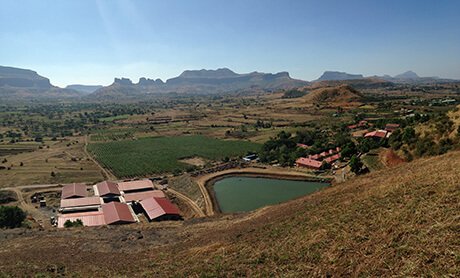
Village Talwade, Trimbak, Nasik
Maharashtra,India.
Phone - +91-9822770727
E-mail - yoga@yogapoint.com or yogapoint108@gmail.com